Currently Browsing: Digital Marketing
Posted by Managementguru in Affiliate Marketing, Digital Marketing, Pinterest Hacks, Small Business Owners, Social Media
on Sep 23rd, 2026 | 0 comments

Pinterest is more than a platform for saving recipes, decorating ideas, and inspiration. When used purposefully, it can become a powerful traffic and marketing tool for an online business. The key is to stop thinking of Pinterest simply as a social media platform and start treating it as a visual search engine. People come to Pinterest looking for ideas, solutions, products, tutorials, and inspiration. If your content answers those searches, Pinterest can help put your business in front of people who are already interested in what you offer. But successful Pinterest marketing isn’t about randomly creating pretty pins and hoping they go viral. It requires a system. Here’s a step-by-step approach to building that system. 1. Start With a Clear Niche Before creating your first pin, decide who you want to reach and what you want to help them with. A niche gives your Pinterest account direction. It helps you create relevant content, attract the right audience, and eventually choose appropriate products or services to monetize. For example, instead of creating content about everything related to “lifestyle,” you could focus on: Budget-friendly home organization Digital marketing for beginners Easy healthy recipes Personal finance for young professionals DIY crafts Wedding planning Small business ideas Printable planners Blogging tips Fashion for working women Why niching down matters When your content consistently addresses a particular topic, it becomes easier to understand: *Who is your audience? *What are they searching for? *What problems can you solve? *What products or services would they be interested in? The more clearly you can answer these questions, the easier it becomes to build a Pinterest strategy. 2. Treat Pinterest Like a Search Engine One of the biggest mistakes beginners make is treating Pinterest like Instagram. Pinterest is solely driven by search and discovery. People don’t only scroll through their feeds. They actively search for things they want to learn, buy, make, organize, plan, or try. That means keywords are very important. Before creating content, think about what your ideal audience would type into the Pinterest search bar. For example: Instead of simply creating a pin called: “My Favorite Kitchen Ideas” you could target a more specific search: “Small Kitchen Organization Ideas” The second topic communicates a clear problem and a clear solution. Build your content around search intent Look for topics such as: How to… Ideas for… Tips for… Best… Beginner’s guide to… Step-by-step… Checklist for... Templates for… Ways to… Things to know about… These formats often align naturally with the types of questions people search for. 3. Create Content That Solves Problems Once you know what your audience is searching for, create content that genuinely helps them. Your content could be: Blog posts Tutorials Guides Checklists Videos Recipes Free resources Product roundups Templates Educational articles The goal is simple: Give people a reason to click. Instead of creating a pin simply because it looks attractive, ask: What problem does this content solve? For example, a creator in the productivity niche could create: “10 Simple Ways to Organize Your Week” A creator in the blogging niche could create: “How to Start a Blog as a Beginner” A creator selling templates could create: “Free Content Calendar Template for Small Businesses.” Useful content gives your audience a reason to save, click, and return. 4. Focus on “How-To” and List-Based Content Certain content formats are particularly easy to understand at a glance. Two useful formats are how-to content and listicles. How-to content Examples: How to Start a Digital Product Business How to Organize Your Home Office How to Create Pinterest Pins How to Plan a Monthly Budget How to Create a Weekly Meal Plan These work because they promise a...

Posted by Managementguru in Branding, Digital Marketing, Marketing, Sales, SEO, Social Media
on Mar 18th, 2026 | 0 comments
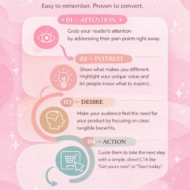
In the crowded world of digital marketing, attention is the most valuable currency. Businesses invest heavily in advertising, SEO, and social media campaigns, yet many fail to convert visitors into customers. The missing ingredient often isn’t traffic—it’s copywriting. Great copywriting transforms ordinary words into persuasive messages that influence decisions, build trust, and ultimately drive sales. The difference between mediocre marketing and high-converting campaigns often lies in how a message is written, not just what is being sold. Many businesses unknowingly follow a flawed approach to marketing copy. They focus on themselves rather than the customer. Understanding this difference is the first step toward writing copy that actually converts. The Problem with Most Marketing Copy A common mistake in marketing is writing copy that focuses primarily on the company or product. Businesses often communicate their features, achievements, and capabilities, assuming customers will automatically see the value. Typical “bad marketing copy” sounds like this: This is what I do This is what it does This is why it’s cool While these statements may describe the product, they fail to answer the most important question in the customer’s mind: “How does this help me?” When marketing copy ignores the customer’s problems, readers lose interest quickly. In digital marketing – where attention spans are extremely short, this can result in high bounce rates, low conversions, and wasted marketing budgets. The Shift Toward Customer-Focused Copywriting Great marketing copy flips the perspective. Instead of talking about the business, it speaks directly to the audience’s needs and challenges. Effective copywriting typically follows a structure like this: This is the problem you’re facing This is how I can help you solve it This is what makes my solution different This is why this product is right for you This is my promise This approach works because it aligns with the psychology of decision-making. People buy solutions to problems, not products. Understanding the Customer’s Problem Successful digital marketing begins with identifying the customer’s pain points. Whether you are selling software, services, or physical products, every purchase decision is driven by a problem the buyer wants to solve. For example, imagine a company selling an email marketing tool. A typical product-focused headline might say: “Advanced Email Automation Software With Powerful Features.” But customer-focused copy would say: “Struggling to Turn Email Subscribers Into Paying Customers? Automate Your Campaigns and Boost Sales.” The second version works better because it acknowledges the reader’s frustration before offering a solution. Positioning Your Product as the Solution Once you’ve identified the customer’s problem, the next step is presenting your product or service as the solution. Effective copywriting connects the product directly to the customer’s desired outcome. Example Instead of saying: “Our social media management platform has scheduling tools.” You could write: “Save hours every week by scheduling all your social media posts in one place.” Notice how the second version highlights the benefit rather than the feature. In digital marketing copywriting, benefits almost always outperform features. The Importance of Differentiation in Copywriting The internet is full of similar products and services. Customers are constantly comparing options before making a decision. This is where differentiation becomes critical. Great copywriting explains: Why your solution is unique What makes your brand trustworthy How your approach delivers better results For example, two SEO agencies might offer similar services. However, the way they communicate their value can make all the difference. Weak copy might say: “We provide SEO services for businesses.” Stronger copy might say: “We help small businesses rank on Google without expensive long-term contracts.” The second message clearly communicates who the service is for and why it’s different. Why Trust Is the Foundation of High-Converting Copy Trust plays...
Posted by Managementguru in Digital Marketing, Social Media, Video Marketing, YouTube
on Nov 30th, 2025 | 0 comments

In 2026, cracking the YouTube algorithm isn’t about chasing hacks – it’s about understanding how the platform thinks. With AI-driven recommendations, micro-moment testing, and retention-first ranking, creators need smarter strategies to stay visible and grow. Whether you’re a seasoned YouTuber or just starting out, these 10 audience-friendly tactics will help you beat the algorithm and build a loyal subscriber base. Let’s dive into what’s working now and what will keep working as YouTube evolves. Trigger the Microtest Ladder Every video now enters a microtest phase – YouTube shows it to a small audience and watches for early signals: click through rate (CTR), watch time, and engagement. A clever way to increase click through rate on a YouTube video is by using human emotion in the thumbnails. Next time you go on YouTube, look at top channels and what they put in their thumbnails. A strong emotion is present more often than you probably think. Tip: Nail your thumbnail and title. Use curiosity gaps like “Nobody talks about this…” Example: Nolan Molt grew his channel by testing 20 viral titles and thumbnails before publishing. Optimize for Retention, Not Just Views The 2026 algorithm rewards average view duration and percentage watched. Focus on storytelling, pacing, and viewer psychology. These metrics are critical for triggering the algorithm and boosting video visibility. Tip: Use pattern interrupts – cutaways, zooms, humor, to keep viewers engaged. Example: Ali Abdaal uses storytelling and pacing to hold attention across 10+ minute videos. Use Shorts to Funnel to Long-Form Shorts are now a discovery engine. Link them to your long form content via pinned comments and end screens. Tip: Create a 15-second teaser that hooks curiosity, then direct viewers to the full video. Example: Dan the Creator uses Shorts to preview his tutorials, driving traffic to full-length content. Leverage Community Posts for Momentum Community posts now influence algorithmic visibility. Tip: Post polls, behind-the-scenes, or sneak peeks to re-engage subscribers. Example: Think Media uses polls to test video ideas and boost anticipation. Pair Your Content with Trending Creators YouTube’s AI now recommends videos that pair well with popular creators. Tip: Mention or react to trending creators in your niche. Example: Vanessa Lau grew by referencing Jade Darmawangsa in early videos. Ride Timely Trends with Evergreen Hooks Blend trending topics with timeless value. Tip: Use tools like Google Trends or VidIQ to spot rising topics. Example: Graham Stephan mixes finance news with evergreen investing advice. Create Series, Not One-Offs Series boost session time and bingeability. Tip: Use consistent branding and episode numbers. Example: Yes Theory built loyalty through themed challenges and travel series. Use AI Tools for Title and Thumbnail Testing Tools like ChatGPT and ThumbnailTest.com help optimize before publishing. Tip: Generate 5 title variants and test with your audience. Example: Nolan Molt offers free viral title templates that helped small creators grow. Engage in the First 24 Hours The first 24 hours are critical for triggering algorithmic boosts. Tip: Reply to comments, share in communities, and push via email or WhatsApp. Example: Cathrin Manning drives early engagement through her newsletter and Instagram. Build a Brand, Not Just a Channel Channels with a clear identity outperform generic ones. Tip: Define your niche, tone, and visual style. Example: MrBeast is instantly recognizable – every video aligns with his brand of extreme...
Posted by Managementguru in Digital Marketing, Entrepreneurship, Small Business Owners, Social Media
on Jul 29th, 2025 | 0 comments

Turn Your Passion Into Profit with These 3 Winning Templates Hey, thinking of launching your own small business! We will make it breezy for you folks. Whether it is a digital product, a service-based brand, or a boutique content studio, our checklist will come in handy to walk you through the essential steps in building a successful brand. Template 1: Digital Product Seller Perfect for: Ebook creators, planner designers, empowerment tool makers. If you love creating tools that solve the pain points of everyday problems, then this might be the right template for you. You can make a major impact while earning decent passive income as well. Core Offer: Ready-to-use digital downloads Audience: DIY planners fans, hustling moms, knowledge seekers Platform Focus: Etsy, Instagram, Facebook Tools You’ll Need: Canva, Gumroad, social media scheduler Startup Cost: $25–$125 (branding, setup, hosting) Revenue Potential: Passive income, bundles, niche targeting Legal Prep: Copyrights + digital product GST (if applicable) Growth Moves: Memberships, affiliate programs, bulk bundles Mindset: Creativity + consistency wins here Template 2: Service Provider If you plan to be a coach, consultant or an online educator and transformation is your goal, you have come to the right place. Sharing your expertise to people who need it and building your authority in the niche is a double bonanza. Core Offer: Personalized coaching or consulting packages Audience: Entrepreneurs, professionals, growth-minded individuals Platform Focus: Zoom, personal website, Facebook Page Tools You’ll Need: Calendly, CRM system, branded PDFs Startup Cost: $60–$180 (branding, client systems, setup) Revenue Potential: High-ticket clients, recurring services Legal Prep: Contracts, invoices, service agreements Growth Moves: Build a tribe, launch a course, host webinars Mindset: Lead with empathy and deliver with authority Template 3: Creative Boutique Are you a designer, a content creator or a script writing expert? This template suits all influencers whether big or small. Your business thrives when you translate emotions to engagement. Core Offer: Custom visuals, captions, scripts Audience: Small businesses, influencers, families Platform Focus: Instagram, Canva, WhatsApp Tools You’ll Need: Canva Pro, script bank, reel templates Startup Cost: $35–$145 (creative tools + design setup) Revenue Potential: Event-based packages, seasonal offers, repeat clients Legal Prep: Design licenses, client contracts Growth Moves: Expand to kits, collaborations, niche specials Mindset: Create impact through style + emotional storytelling Your Spark Is the Strategy It all boils down to consistency and commitment to build the required momentum to kickstart your business idea and action. Money might be the motivating factor, but remember you are making an impact in the society while serving as an inspiration for other...
Posted by Managementguru in Content Marketing, Digital Marketing, Instagram Marketing, Social Media
on Jul 9th, 2025 | 0 comments

Instagram is set to undergo a transformative algorithm shift in 2026 that will redefine how content is distributed across the platform. Learn actionable strategies to boost your reach, engagement, and growth. From video dominance to DM-driven engagement, this new IG algorithm guide breaks it down in simple terms for creators and entrepreneurs. How Your Post Gets Seen When you post something, Instagram first shows it to your top followers—the ones who usually like or comment on your stuff (about 20% of your audience). If those people engage (like, comment, save, share), Instagram says, “Hey, this is good!” and shows it to more people. If they ignore it, Instagram pulls back your reach—and fewer people see it. How to Boost Your Reach The more people interact with your post, the more Instagram spreads it. Here’s what helps: They like or comment They save it They share it (in stories or DMs) They read the whole post or watch the full video They visit your profile They read your caption They engage quickly after you post. What Hurts Your Reach These actions tell Instagram your post isn’t interesting: They scroll past it without stopping They don’t read or watch the full thing They report it They hide it They click “Not Interested”. What’s Changing in 2026? Instagram is making big changes to how content is ranked and shown: Saves and Shares are now more important than likes. Videos will get up to 3x more reach than photos. DMs (Direct Messages) will become the strongest sign of real engagement. AI Personalization will match content to users by analyzing millions of data points every day. If you want to grow, focus on creating content that people want to save, share, and talk about in DMs. Quick Facts About the Algorithm It changes based on each user’s behavior—what they like, watch, and comment on. It doesn’t favor photos or videos—it favors what you like most. Business, personal, and creator accounts are all treated the same. Being real and honest works better than trying to trick the system. Short or long comments are treated equally. Getting lots of likes in the first 30 minutes doesn’t guarantee success. Bottom Line: Make content that people want to engage with—save, share, comment, and talk about. That’s the real secret to growing on Instagram in 2026. Content That Gets SAVED These are posts your audience wants to come back to later: Powerful Affirmations: “Save this for when you need a reminder of your worth.” “10 Empowering Mantras for Women Who Are Done Playing Small” Checklists & Templates: “5-Step Morning Routine for Women Who Mean Business” “Weekly CEO Planner: What to Focus on Every Day” Mini-Tutorials or How-Tos: “How to Set Boundaries Without Guilt (Swipe to Learn)” “3 Ways to Reclaim Your Time as a Solopreneur” Content That Gets SHARED These are posts people want to send to friends or repost in stories: Bold Truths or Mic-Drop Quotes: “Normalize saying: ‘That doesn’t work for me.’” “You don’t need to be liked to be respected.” Relatable Pain Points: “When you’re the strong one and no one checks on you…” “That moment when you realize you’ve been shrinking to fit in.” Infographics or Stats: “80% of burnout in women entrepreneurs is linked to poor boundaries. Let’s fix that.” Content That Gets DMs These spark private conversations and deeper engagement: Controversial or Thought-Provoking Prompts: “Is it selfish to put yourself first? Let’s talk.” “Would you walk away from a 6-figure deal if it didn’t align with your values?” Behind-the-Scenes or Vulnerable Shares: “Here’s what I wish someone told me before I started my business…” “I almost gave up last year. Here’s what pulled...