Posted by Managementguru in Business Management, Marketing, Principles of Management
on Mar 4th, 2014 | 0 comments
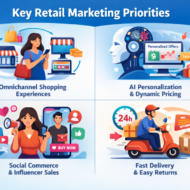
Consumer behavior in 2025-26 is shaped by AI, sustainability, digital convenience, and experience-driven engagement. While the core trends remain universal, their application varies by industry. Here’s how Retail, FMCG, and Technology brands can adapt consumer marketing strategies to stay competitive. 🤩Be sure to download the free Strategic Marketing Planner available at the end of this blog post. 1. Retail Marketing Trends (2025-26) Retail marketing is now driven by hyper-personalization and omnichannel experiences. Consumers expect seamless movement between online stores, mobile apps, social platforms, and physical outlets. AI-powered recommendations, smart inventory management, and personalized promotions are transforming how retailers engage shoppers. Social commerce is a major growth driver, with platforms like Instagram and TikTok influencing product discovery and impulse purchases. Retailers are also investing in experiential marketing — interactive stores, virtual try-ons, and loyalty programs with gamification elements. Key retail marketing priorities: Omnichannel shopping experiences AI-driven personalization and dynamic pricing Social commerce and influencer-led sales Faster delivery and easy returns Retail brands that balance convenience with engaging brand experiences will win long-term loyalty. I publish sponsored content and collaborations relevant to my audience.For inquiries, contact me at: managementguru.net@gmail.com 2. FMCG Marketing Trends (2025-26) Fast-Moving Consumer Goods (FMCG) marketing is increasingly shaped by sustainability, affordability, and trust. Consumers are more conscious of what they buy- eco-friendly packaging, ethical sourcing, and transparency strongly influence purchase decisions. Digital marketing plays a critical role, with short-form videos, regional influencer content, and mobile-first campaigns driving awareness. Data-led promotions and localized pricing help FMCG brands stay competitive in cost-sensitive markets. Direct-to-consumer (D2C) channels are also expanding, allowing brands to gather real-time consumer insights and build deeper relationships. Key FMCG marketing priorities: Sustainable and ethical branding High-impact digital and regional marketing D2C engagement and loyalty programs Value-based pricing strategies In 2025–26, FMCG success depends on trust, visibility, and everyday relevance. 3. Technology Marketing Trends (2025-26) Technology marketing is evolving from product-focused messaging to solution-driven storytelling. Consumers and businesses alike want technology that simplifies life, improves productivity, and delivers measurable value. AI, automation, and data security are central to buying decisions. Content marketing, thought leadership, and community-building are critical for tech brands. Free trials, freemium models, and personalized onboarding experiences help reduce adoption friction. Subscription-based pricing and flexible plans are now standard expectations. Key technology marketing priorities: AI-powered personalization and automation Educational content and value storytelling Trust, privacy, and cybersecurity messaging Community-driven growth and retention Tech brands that focus on clarity, credibility, and customer success will dominate future markets. Conclusion Across Retail, FMCG, and Technology, consumer marketing in 2025-26 is defined by personalization, digital integration, sustainability, and experience-led engagement. Brands that adapt these trends to their industry context, while keeping consumers at the center will build stronger loyalty, higher conversions, and long-term growth. Strategic Marketing...

Posted by Managementguru in Marketing, Strategy
on Feb 17th, 2014 | 0 comments

What is Branding? What is a branding strategy? The process involved in creating a unique name and image for a product in the consumers’ mind, mainly through advertising campaigns. Brand = Trust What is the meaning of Brand Identity? A brand name adds a unique value proposition to a company offering differentiated products across a wide spectrum. It is an important component of a firm’s corporate identity. The logo that represents a brand is just not a symbol but is a source of commitment to the customers. It implies the benefits or added values that the company offers to satisfy its customers. Logos are a way to reach your customers in the initial stages when your company is in the offing. After a certain period of time, it becomes an icon that represents your company’s efficacy and achievement in terms of quality, price, customer service etc. Nowadays there is a pressing need for corporate firms to target both domestic and international markets. They have to create and establish local as well as global brand identity. A brand name tells the customer what to expect and it personifies your organization. Why in the First Place a Company Needs a Brand Identity? See, it proves to be the most vital part of your marketing plan. How do you expect to reach your customers and convince them that you are there in the market to offer a superior product range than that of your rivals? You have to keep in constant touch with your customers and this is where a brand name comes in as a source of strength, as a promotional tool to speak for your product’s credibility and quality. You have to ask yourself the following questions while planning to develop a branding strategy: Does your brand create a feeling of trust in the minds of the customers? Does your brand deliver the benefits that it has promised to? Does your brand connect with the customers well at an emotional level? Is everybody including your competitors are aware of your brand? Strategic Equations for Success You need to revitalize your think tank by including strategies that will hit the target on the right note. One way is to re-launch your existing products under new brand name to give a fresh lease of life to the products as well as attract new customers Another way is to introduce new product range, where the existing brand may not be suitable for the new product line Making the products more attractive and appealing by making small modifications in packing Also your brand can include a new range of similar products to be offered from your end. The brand strategy gives momentum to your business and aligns the activities of your organization towards successfully accomplishing the corporate objectives. It should be always remembered that branding is the only way to develop loyal customers....