Currently Browsing: Affiliate Marketing
Posted by Managementguru in Affiliate Marketing, Digital Marketing, Pinterest Hacks, Small Business Owners, Social Media
on Sep 23rd, 2026 | 0 comments

Pinterest is more than a platform for saving recipes, decorating ideas, and inspiration. When used purposefully, it can become a powerful traffic and marketing tool for an online business. The key is to stop thinking of Pinterest simply as a social media platform and start treating it as a visual search engine. People come to Pinterest looking for ideas, solutions, products, tutorials, and inspiration. If your content answers those searches, Pinterest can help put your business in front of people who are already interested in what you offer. But successful Pinterest marketing isn’t about randomly creating pretty pins and hoping they go viral. It requires a system. Here’s a step-by-step approach to building that system. 1. Start With a Clear Niche Before creating your first pin, decide who you want to reach and what you want to help them with. A niche gives your Pinterest account direction. It helps you create relevant content, attract the right audience, and eventually choose appropriate products or services to monetize. For example, instead of creating content about everything related to “lifestyle,” you could focus on: Budget-friendly home organization Digital marketing for beginners Easy healthy recipes Personal finance for young professionals DIY crafts Wedding planning Small business ideas Printable planners Blogging tips Fashion for working women Why niching down matters When your content consistently addresses a particular topic, it becomes easier to understand: *Who is your audience? *What are they searching for? *What problems can you solve? *What products or services would they be interested in? The more clearly you can answer these questions, the easier it becomes to build a Pinterest strategy. 2. Treat Pinterest Like a Search Engine One of the biggest mistakes beginners make is treating Pinterest like Instagram. Pinterest is solely driven by search and discovery. People don’t only scroll through their feeds. They actively search for things they want to learn, buy, make, organize, plan, or try. That means keywords are very important. Before creating content, think about what your ideal audience would type into the Pinterest search bar. For example: Instead of simply creating a pin called: “My Favorite Kitchen Ideas” you could target a more specific search: “Small Kitchen Organization Ideas” The second topic communicates a clear problem and a clear solution. Build your content around search intent Look for topics such as: How to… Ideas for… Tips for… Best… Beginner’s guide to… Step-by-step… Checklist for... Templates for… Ways to… Things to know about… These formats often align naturally with the types of questions people search for. 3. Create Content That Solves Problems Once you know what your audience is searching for, create content that genuinely helps them. Your content could be: Blog posts Tutorials Guides Checklists Videos Recipes Free resources Product roundups Templates Educational articles The goal is simple: Give people a reason to click. Instead of creating a pin simply because it looks attractive, ask: What problem does this content solve? For example, a creator in the productivity niche could create: “10 Simple Ways to Organize Your Week” A creator in the blogging niche could create: “How to Start a Blog as a Beginner” A creator selling templates could create: “Free Content Calendar Template for Small Businesses.” Useful content gives your audience a reason to save, click, and return. 4. Focus on “How-To” and List-Based Content Certain content formats are particularly easy to understand at a glance. Two useful formats are how-to content and listicles. How-to content Examples: How to Start a Digital Product Business How to Organize Your Home Office How to Create Pinterest Pins How to Plan a Monthly Budget How to Create a Weekly Meal Plan These work because they promise a...

Posted by Managementguru in Affiliate Marketing, E Commerce, How to make money online, Social Media
on Nov 28th, 2025 | 0 comments

Canva isn’t just a design tool – it’s a gateway to creative income. Whether you’re a freelancer, coach, or side hustler, Canva offers endless opportunities to turn your skills into cash. Here’s a people-friendly guide to help you get started and grow. Don’t miss it – grab your free PDF copy of Budget Planner 2026 at the end of this post. 1. Design E-books & Workbooks Pick a niche like fitness or finance, write helpful content, and design it beautifully in Canva. Export as a PDF and sell on platforms like Amazon KDP, Gumroad, or Etsy. 2. Create Social Media Templates Design branded packs for coaches, influencers, or small businesses. Bundle them and sell on Etsy or Creative Market. Offer customization for extra income. 3. Offer Freelance Graphic Design Build a portfolio using Canva. Offer services like logos, flyers, and social posts on Fiverr or Upwork. Promote your work on social media and upsell premium designs. 4. Build Courses & Coaching Materials Design slides, cheat sheets, and workbooks for online courses. Host them on Teachable or Thinkific and promote via email and social media. 5. Sell Business Branding Kits Create logos, color palettes, and social templates for startups. Bundle them into kits and sell on Etsy or offer as a service. 6. Start Affiliate Marketing with Canva Join Canva’s affiliate program. Create content like blogs or videos, share your links, and earn commissions for every signup or sale. 7. Teach Canva with Tutorials Master Canva’s tools and share your knowledge through YouTube, blogs, or coaching sessions. Sell digital courses or memberships for recurring income. 8. Design Resumes & Presentations Create professional resume templates and business presentations. Offer customization and sell your designs on Gumroad or Etsy. 9. Launch Print-on-Demand Products Design graphics for t-shirts, mugs, and phone cases. Upload to POD platforms like Redbubble or Printful. Promote using SEO and social media. 10. Sell Printables & Digital Products Design planners, journals, or stickers in Canva. Bundle them and sell on your website or marketplaces like Etsy. Final Thoughts Canva is more than a design tool – it’s a business builder. Whether you’re creating templates or teaching others, there’s a path for everyone. Start small, stay consistent, and let your creativity lead the way. Budget Planner...
Posted by Managementguru in Affiliate Marketing, Social Media, Technology, Video Marketing
on Apr 15th, 2025 | 0 comments

Pinterest isn’t just a platform for pretty pictures; it’s a powerful visual search engine that can drive massive traffic to your blog or business. Pairing Pinterest with cutting-edge AI tools like ChatGPT opens up a world of possibilities to create viral Pinterest pins and optimize them for maximum reach. We’ll walk you through the steps to create viral Pinterest pins that bring visitors flocking to your content. 1. Designing Eye-Catching Pins with AI Tools To create a viral Pinterest pin, start with design. Use AI tools like Canva’s AI assistant or Adobe Express to make eye-catching templates in Pinterest’s 2:3 vertical ratio. Choose bold colors, clear text, and visuals that grab your audience’s attention. Make pins clickable by offering value. Use phrases like “Step-by-Step” or “Top Tips” to draw interest. These work across topics. Tip: Use ChatGPT to brainstorm catchy titles. For example, ask: “Give me 5 short, engaging titles for a healthy meal prep pin.” 2. Optimizing Pin Descriptions with ChatGPT Pin descriptions are an often overlooked yet crucial part of Pinterest SEO. With ChatGPT, you can generate keyword-rich descriptions that align with what users are searching for. 250 Expertly Crafted Ideas to Supercharge Your Marketing Strategy on Pinterest For example, if you’re targeting “work-from-home tips,” ask ChatGPT to create a description like this: “Looking to boost productivity while working from home? Check out these expert tips and hacks to create the perfect remote work setup!” Include high-ranking keywords such as “remote work setup,” “boost productivity,” and “work-from-home tips.” These help improve your pin’s visibility. If you’re an affiliate marketer, this is a great place to drop your affiliate links for relevant products like productivity tools or courses. 3. Automating Content Creation for Pinterest Boards AI isn’t just for individual pins; it can streamline your entire Pinterest board strategy. Use ChatGPT to come up with cohesive board themes and descriptions that align with your niche. For instance: Board Title: “Easy DIY Crafts for Beginners” Board Description: “A collection of simple and fun DIY projects for all skill levels. Discover tutorials, tips, and tricks to unleash your creativity at home.” This approach ensures that your boards are well-organized and keyword-optimized, making them more discoverable on Pinterest’s search engine. 4. Timing and Scheduling with AI Insights Timing can make or break your pin’s performance. AI tools like Tailwind (a Pinterest-approved scheduler) can analyze your audience’s activity patterns to recommend the best posting times. With Tailwind’s AI insights, you can schedule pins when your audience is most active, increasing the chances of your pins going viral. 5. Affiliate Marketing with ChatGPT + Pinterest If affiliate marketing is your goal, ChatGPT can help you craft persuasive pin captions and landing pages. For instance, when promoting an online course about Pinterest marketing, you can generate content like: “Ready to master Pinterest marketing? Click here to enroll in this game-changing course and start driving thousands of visitors today! [Affiliate Link]” Highlight affiliate-friendly keywords like “Pinterest marketing,” “game-changing course,” or “master Pinterest strategy.” Turning Pins into Traffic-Generating Machines Combining AI tools with the strategic potential of Pinterest is a game-changer. From creating visually stunning pins to crafting optimized descriptions and leveraging AI-driven scheduling, these steps empower you to maximize your Pinterest strategy. Use ChatGPT to streamline your content creation and ensure every pin adds value to your audience. With consistency and creativity, your Pinterest game will not only drive traffic but also boosbt your revenue through affiliate marketing and other income streams. Start today, and let your pins do the...
Posted by Managementguru in Affiliate Marketing, How To, Instagram Marketing, Social Media
on Feb 9th, 2025 | 0 comments

In 2025, Instagram successfully continues to be a powerful platform for monetization, even if you’re starting from scratch. While many believe that a large follower count is essential to make money, there are numerous innovative strategies that allow you to leverage Instagram’s features effectively without needing a massive following. In this blog post, we’ll explore eight cutting-edge ways to make money on Instagram without followers, helping you turn your passion into profit. 1. Promote Affiliate Links Product Reviews: Create in-depth reviews of products you love and, highlighting their features and benefits. Include your affiliate link in the caption and stories. Comparison Posts: Compare two or more products, listing the pros and cons of each. Share your affiliate link for the recommended product. Tutorials: Show how to use a product effectively. Include your affiliate link in the description. Discount Codes: Share exclusive discount codes with your followers and include your affiliate link. 2. Instagram Shop Custom Merchandise: Design and sell your own branded merchandise such as T-shirts, mugs, or phone cases. Handmade Products: Sell handmade crafts, jewelry, or art directly through your Instagram Shop. Digital Art: Offer digital prints or illustrations. Seasonal Items: Create and sell items themed around holidays or special events. 3. Offer Instagram Account Management Services Content Creation: Offer to create engaging posts, stories, and reels for businesses. Engagement Management: Handle likes, comments, and direct messages to boost interaction. Growth Strategy: Develop a strategy to increase followers and engagement. Analytics Reporting: Provide regular reports on account performance and insights. 4. Create and Sell Digital Products Ebooks: Write and sell ebooks on topics you’re passionate about or knowledgeable in. Printables: Design and sell printable planners, calendars, or coloring pages. Online Courses: Create courses on skills you excel in, such as photography, graphic design, or cooking. Templates: Offer customizable templates for resumes, social media posts, or presentations. 5. Dropshipping Niche Products: Focus on a specific niche like eco-friendly products, tech gadgets, or pet supplies. Custom Branding: Use dropshipping services that allow you to brand products with your logo. Trend Research: Stay updated on trending products and incorporate them into your store. Customer Reviews: Share positive reviews and testimonials to build trust. 6. Brand Ambassadorships Micro-Influencer Opportunities: Reach out to smaller brands or local businesses looking for niche influencers. Content Series: Create a series of posts or stories featuring the brand’s products. Personal Stories: Share your personal experiences using the brand’s products. Creative Collaborations: Collaborate with the brand on unique content ideas. 7. Sponsored Posts Authentic Endorsements: Only promote products you genuinely believe in to maintain authenticity. Creative Campaigns: Develop creative and engaging campaigns that align with the brand’s goals. High-Quality Visuals: Use high-quality photos and videos to showcase the products. Transparent Hashtags: Use appropriate hashtags like #ad or #sponsored for transparency. 8. Create Engaging Content Reels: Post short, engaging videos that showcase your skills, hobbies, or daily life. Stories: Share daily updates, behind-the-scenes moments, and interactive polls or quizzes. Carousel Posts: Create multi-image posts that tell a story or provide step-by-step guides. Live Sessions: Host live Q&A sessions or tutorials to connect with your audience in real-time. To make the most of the 5 link slots on Instagram and encourage engagement, you can use compelling calls to action (CTAs) instead of just saying “link in bio.” Here are some creative CTAs you can use: “Tap the link in our bio to learn more!” “Swipe up for exclusive content!” (for Stories) “Click the link to get your freebie!” “Check out the link in our bio for a special offer!” “Visit the link in our bio to shop now!” These CTAs are more engaging and direct, encouraging users to take action...
Posted by Managementguru in Affiliate Marketing, Marketing
on Apr 13th, 2017 | 0 comments
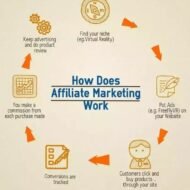
The Eight Pointer Guide to Choose Affiliate Programs Before joining an affiliate program, do a little research about the choices of program that you intend to join into. Get some answers because they will be the deciding point of what you will be achieving later on. How to Write Killer Content for the Web Will it cost you anything to join? Most affiliate programs being offered today are absolutely free of charge. So why settle for those that charge you some dollars before joining. 1. When do they issue the commission checks? Every program is different. Some issue their checks once a month, every quarter, etc. Select the one that is suited to your payment time choice. Many affiliate programs are setting a minimum earned commission amount that an affiliate must meet or exceed in order for their checks to be issued. Make Money With These 15 Smartphone Apps That Pay You For Using Them 2. What is the hit per sale ratio? This is the average number of hits to a banner or text link it takes to generate a sale based on all affiliate statistics. This factor is extremely important because this will tell you how much traffic you must generate before you can earn a commission from the sale. 3. How are referrals from an affiliate’s site tracked and for how long do they remain in the system? You need to be confident on the program enough to track those people you refer from your site. This is the only way that you can credit for a sale. The period of time that those people stay in the system is also important. This is because some visitors do not buy initially but may want to return later to make the purchase. Know if you will still get credit for the sale if it is done some months from a certain day. HOW TO MAKE FULL TIME INCOME FROM AFFILIATE MARKETING 4. What are the kinds of affiliate stats available? Your choice of affiliate program should be capable of offering detailed stats. They should be available online anytime you decide to check them out. Constantly checking your individual stats is important to know how many impressions, hits and sales are already generated from your site. Impressions are the number of times the banner or text link was viewed by a visitor of your site. A hit is the one clicking on the banner or text links. 5. Does the affiliate program also pay for the hits and impressions besides the commissions on sales? It is important that impressions and hits are also paid, as this will add to the earnings you get from the sales commission. This is especially important if the program you are in offers low sales to be able to hit ratio. 6. Who is the online retailer? Find out whom you are doing business with to know if it is really a solid company. Know the products they are selling and the average amount they are achieving. The more you know about the retailer offering you the affiliate program, the easier it will be for you to know if that program is really for you and your site. How To Work From Home Selling On Amazon FBA 7. Is the affiliate a one tier or two tier program? A single tier program pays you only for the business you yourself have generated. A two tier program pays you for the business, plus it also pays you a commission on the on the sales generated by any affiliate you sponsor in your program. Some two-tier programs are even paying small fees on each...