Currently Browsing: Entrepreneurship
Posted by Managementguru in Business Management, Project Management, Sales
on Sep 22nd, 2024 | 0 comments

A well-crafted business proposal can be the key to securing new clients and expanding your business. It serves as a formal document that outlines your business plan and persuades potential clients, investors, or partners to engage with your company. Here’s a step-by-step guide to help you create a compelling business proposal. 1. Introduction Begin with a brief introduction that provides an overview of your company. Mention your business name, the services or products you offer, and your mission statement. This section should be concise yet informative, setting the stage for the rest of the proposal. 2. Executive Summary The executive summary is a snapshot of your proposal. It should highlight the key points, including the problem you aim to solve, your proposed solution, and the benefits to the client. This section should be engaging and persuasive, encouraging the reader to delve deeper into the proposal. 3. Problem Statement Clearly define the problem or need that your proposal addresses. Use data and research to support your claims, demonstrating a thorough understanding of the client’s challenges. This section should resonate with the client, showing that you comprehend their pain points. 4. Proposed Solution Outline your proposed solution in detail. Explain how your product or service will address the problem and the benefits it will bring to the client. Include any unique selling points that set your solution apart from competitors. Visual aids like charts or graphs can be helpful here to illustrate your points. If you’re navigating client contracts and aiming to build scalable, sustainable partnerships, this insightful guide by Icertis on Master Service Agreements is a must-read. It demystifies the MSA structure and empowers entrepreneurs to negotiate with clarity and confidence. 5. Implementation Plan Provide a step-by-step plan for implementing your solution. This should include timelines, milestones, and the resources required. Be realistic and transparent about what the client can expect during the implementation phase. This section builds trust by showing that you have a clear and actionable plan. 6. Qualifications Highlight your company’s qualifications and experience. Include case studies, testimonials, or examples of past successes that are relevant to the proposal. This section should build credibility and demonstrate your capability to deliver on your promises. 7. Pricing Present a detailed pricing structure for your proposed solution. Be clear about what is included in the cost and any potential additional expenses. Offering different pricing tiers or packages can provide flexibility and cater to various client budgets. 8. Conclusion Summarize the key points of your proposal and reiterate the benefits to the client. End with a strong call to action, encouraging the client to take the next step, whether it’s scheduling a meeting, signing a contract, or requesting further information. Final Thoughts A well-structured business proposal not only showcases your professionalism but also demonstrates your commitment to solving the client’s problems. By following these steps, you can create a persuasive document that stands out and wins new business...

Posted by Managementguru in Business Management, Entrepreneurship, Leadership, Productivity, Sales
on Aug 22nd, 2024 | 0 comments

In the fast-paced world of management, maintaining peak performance is essential. While professional development and continuous learning are crucial, an often-overlooked factor in enhancing management skills is regular exercise. Beyond physical health, exercise offers numerous cognitive and psychological benefits that can significantly improve your ability to manage teams, make decisions, and lead effectively. Here’s how exercise can boost your management skills. 1. Enhanced Cognitive Function Improved Memory and Learning Exercise, whatever type you choose, stimulates the production of growth factors that enhance the health and survival of brain cells and growth of new blood vessels in the brain. This process improves memory and the ability to learn new tasks, which is vital for managers who need to adapt to new challenges and information rapidly. Better Decision-Making Regular physical activity has been known to increase the size of the hippocampus, which is the part of the brain responsible for memory and learning. A well-functioning hippocampus improves the brain’s ability to process information quickly and make informed decisions. 2. Stress Reduction Lowers Cortisol Levels Exercise effectively reduces the levels of stress hormones such as cortisol. Lower cortisol levels help managers to remain calm under pressure, think clearly, and avoid the negative impacts of stress on decision-making and team interactions. Exercise such as swimming is a great stress reliever as you can exercise gently while still burning the same amount of calories. Of course, having your own pool at home makes this activity even more stress-free. Ensure you have the right supplies to keep your pool in the best condition, such as by speaking to pool chemical wholesalers. Enhanced Mood and Emotional Resilience Physical activity works to increase the production of endorphins, often referred to as “feel-good” hormones. This boost in mood can enhance a manager’s ability to handle stressful situations with a positive outlook and greater emotional resilience. 3. Increased Energy Levels Regular exercise especially improves cardiovascular health, which in turn enhances overall energy levels. Managers with higher energy levels are more productive, can work longer hours without fatigue, and maintain a high level of performance throughout the day. 4. Improved Focus and Concentration Enhanced Attention Span Exercise boosts the flow of blood to the brain, which helps to improve concentration and attention span. This is particularly beneficial for managers who need to juggle multiple tasks and maintain focus throughout long meetings and complex projects. Greater Mental Clarity Physical activity can lead to greater mental clarity, allowing managers to think more clearly and strategically. This clarity can improve problem-solving skills and the ability to analyze complex situations. 5. Better Time Management Discipline and Routine Incorporating regular exercise into your daily routine requires discipline and effective time management. These habits can translate into your professional life, helping you manage your time more efficiently and set priorities more effectively. Increased Productivity Studies have shown that people who exercise regularly are more productive. This increased productivity can help managers to accomplish more tasks in less time, leaving more room for strategic thinking and team development. 6. Enhanced Leadership Skills Improved Self-Confidence Regular exercise can improve self-esteem and self-confidence. A confident manager is more likely to inspire and motivate their team, lead effectively, and make bold decisions. Better Communication Exercise often involves social interaction, whether in team sports, group fitness classes, or gym settings. These interactions can enhance a manager’s communication skills, making it easier to connect with team members and stakeholders. 7. Enhanced Creativity Aerobic activities like running or cycling have been shown to boost creativity. This boost is due to increased blood flow to the brain and the release of endorphins, which can lead to a more relaxed and open state of mind....
Posted by Managementguru in Career Management, Change management, Entrepreneurship, Financial Management
on Jul 10th, 2024 | 0 comments

The entrepreneurial spirit thrives on challenge and innovation. For many entrepreneurs, however, that spirit can extend beyond just building a business. Sometimes, the call to explore new horizons extends to entirely new industries. If you’re an entrepreneur looking to switch industries, this transition can be both exciting and daunting. The good news is that your entrepreneurial skills are valuable assets, and with careful planning and execution, you can successfully navigate this career shift. This article offers a roadmap to guide you through this exciting transition. We’ll explore key steps to take, from self-assessment and industry research to acquiring relevant skills and building a strong network. We’ll also address the financial realities of a career change and explore options like paid internships to bridge the gap. 7 Steps Know Yourself, Know Your Goals Research, Research, Research Bridge the Skills Gap Build Your Network Embrace the Financial Journey Craft a Compelling Story Embrace the Journey Step 1: Know Yourself, Know Your Goals A successful career change starts with introspection. Ask yourself some key questions: What are my transferable skills? Even if you’re leaving your current industry behind, you’ve likely acquired valuable skills in areas like communication, problem-solving, project management, and marketing. Identifying these transferable skills will be crucial for positioning yourself in your new field. What are my passions and interests? Entrepreneurs are often driven by a desire to make a difference or pursue a specific passion. Leveraging those same passions in your new career can lead to greater fulfillment and motivation. What are my long-term goals? Are you looking for a traditional full-time position, or do you still have the entrepreneurial itch and want to build a new business within your target industry? Step 2: Research, Research, Research Once you have a clearer picture of your goals and skills, it’s time to delve into your target industry. Here are some key areas to research: Industry Trends: What’s the current state of the industry? Is it growing or shrinking? Understanding industry trends will help you identify areas of opportunity. Skills in Demand: What skills are most sought-after in your target industry? There may be specific certifications, training, or educational programs you need to consider. Job Market: What kind of jobs are available in your target industry? Research salary ranges, job descriptions, and the typical career path within the industry. Networking Opportunities: Identify industry associations, conferences, and online communities. Building connections with professionals in your target field is crucial for gaining insights and potential leads. Step 3: Bridge the Skills Gap The skills you honed in your entrepreneurial journey will be valuable, but there may be a gap between your current skillset and what’s required in your new field. There are several ways to bridge this gap: Online Courses and Training: A plethora of online courses and training programs can equip you with the specific industry knowledge and skills you need. Consider MOOCs (Massive Open Online Courses) from platforms like Coursera or EdX, or invest in industry-specific certifications. Paid Internships: Paid internships offer valuable hands-on experience and allow you to learn from industry professionals. While you might take a temporary pay cut, internships provide a way to gain valuable experience that can make you a more attractive candidate for full-time positions. Volunteer Work: Volunteering with organizations within your target industry can help you gain relevant experience, build your network, and demonstrate your passion for the field. Mentorship: Seek out a mentor who works in your target industry. A mentor can provide valuable guidance, help you navigate the industry landscape, and connect you with key individuals. Step 4: Build Your Network Building a strong network is essential for any career change, but especially...
Posted by Managementguru in Operations Management, Project Management, Supply Chain Management, Technology
on Mar 27th, 2024 | 0 comments

In the current business environment, an efficient supply chain management process can be a key differentiator. Streamlining your supply chain reduces costs and enhances customer satisfaction and overall business performance. Here are some strategies to improve your supply chain management process. Embrace Technology Incorporating cutting-edge technologies like AI, IoT, and blockchain can revolutionize your supply chain. These technologies can enhance visibility, optimize inventory management, and automate processes, leading to improved efficiency and reduced costs. Leveraging technology allows businesses to adapt quickly to changing market conditions and customer demands. Enhance Collaboration Collaboration with suppliers, manufacturers, and distributors is essential for a smooth supply chain. Implementing collaborative tools and fostering strong relationships can lead to better coordination, faster problem resolution, and increased agility. Strong collaboration ensures that all parties are aligned with the overall supply chain goals, improving overall performance. Integrating Efficient Logistics Efficient logistics management is crucial for a streamlined supply chain. For example, platforms like Shiply connect shipping companies with clients, offering cost-effective and efficient shipping solutions. By leveraging Shiply and other advanced logistics technologies, such as transportation management systems (TMS) and warehouse management systems (WMS), businesses can optimize their logistics operations. Efficient transportation management leads to lower shipping costs and improved delivery times, while effective warehouse management minimizes inventory holding costs and ensures timely order fulfillment. Integrating logistics with other supply chain functions improves coordination and visibility, enhancing overall performance and customer satisfaction. Efficient logistics management also allows businesses to scale their operations as well as enter new markets more easily. Focus on Data Analytics Data analytics can offer valuable insights into the performance of your supply chain. By analyzing data, you can identify inefficiencies, forecast demand more accurately, and make informed decisions to optimize your supply chain operations. Data-driven decision-making helps businesses stay competitive and agile in the market. Implement Lean Principles Implementing lean principles, like just-in-time inventory management and continuous improvement, can eliminate waste and enhance efficiency. Lean practices can streamline processes, reduce lead times, and enhance overall productivity. Continuous improvement ensures that the supply chain is constantly evolving so that it can meet the changing needs of the business and customers.Implementing just-in-time inventory management reduces excess inventory, minimizing storage costs and the risk of obsolescence. Streamlining processes reduces waste and enhances flexibility, enabling the supply chain to quickly adapt to market changes. Continuous improvement nurtures a culture of innovation and efficiency, leading to ongoing enhancements in the supply chain’s performance. Prioritize Sustainability Adopting sustainable practices not only benefits the environment but also leads to cost savings and enhances brand reputation. Incorporating sustainable sourcing, packaging, and transportation methods can reduce carbon footprint and enhance supply chain resilience. Prioritizing sustainability ensures that the supply chain is resilient to external shocks and contributes positively to the environment. Businesses can achieve cost savings through reduced waste, energy efficiency, and lower resource consumption. Moreover, consumers increasingly prefer environmentally conscious brands, leading to enhanced brand reputation and customer loyalty. Embracing sustainability also future-proofs the supply chain, ensuring its viability in the face of changing regulations and market demands. Incorporating sustainable practices aligns with corporate social responsibility (CSR) goals, showcasing a dedication to environmental stewardship and social...
Posted by Managementguru in Business Management, How To, Social Media, Startups
on Oct 28th, 2023 | 0 comments
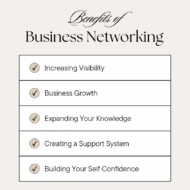
Business networking events are an integral part of expanding your professional network and allowing your business to grow. However, many such events can feel forgettable and unproductive. To stand out and make a lasting impression, it’s crucial to go the extra mile in creating memorable experiences. This article will explore effective strategies to make your business networking event unforgettable. Define Your Purpose Before diving into event planning, define the purpose and objectives of your networking event. Are you aiming to introduce new products, foster collaboration, or simply build relationships? Knowing your goals will guide every decision you make in the planning process. Choose the Right Venue The venue helps to set the tone for your event. Opt for a location that aligns with your objectives and will appeal to your target audience. A unique or historical venue can leave a lasting impression and provide excellent conversation starters. Create A Theme A well-thought-out theme can add a layer of interest to your event. Consider a theme that resonates with your industry or business. For example, if you’re in the tech industry, a futuristic theme could be a great fit. Thematic decorations, food, and activities can make your event more memorable. Engaging Activities A memorable networking event incorporates interactive and engaging activities. Icebreakers, workshops, or panel discussions can help attendees to connect and learn. Additionally, consider incorporating technology such as event apps to facilitate networking and interaction. Food and Beverages Delicious food and beverages can be a significant draw for attendees. Consider offering a diverse range of options, including dietary accommodations. A well-catered event that includes delicious dessert catering can be memorable for all the right reasons. Unique Giveaways Branded giveaways can be a powerful tool for making your event unforgettable. Choose items that are not only useful but also align with your brand and theme. Personalized, high-quality items like custom notebooks, tech gadgets, or eco-friendly products can leave a lasting impression. Stellar Speakers Invite influential speakers who can provide valuable insights to your attendees. High-quality presentations can be a major draw for participants and make your event memorable. Networking Opportunities The main aim of a networking event is to connect people. Encourage networking by providing ample opportunities for one-on-one and group interactions. Mixers, speed networking sessions, and designated networking areas can be instrumental in making meaningful connections. Entertainment Incorporating entertainment can set your event apart from the rest. Live music, interactive performances, or even a photo booth can add some fun and excitement to the proceedings. Entertainment can also break the ice and help attendees to relax. Follow Up To make sure that your event has a lasting impact, follow up with attendees after the event. Send thank-you emails, connect on social media, and ask for feedback. This shows that you value their participation and are interested in continuing the relationship. Post-Event Content Create content that captures the highlights of your event, such as videos, photos, and blog posts. Share these across your social media channels and website to keep the memory alive and promote future events. Sustainability In this environmentally conscious world, demonstrating a commitment to sustainability can leave a lasting impression. Consider eco-friendly event practices, such as recycling, minimal waste, and sustainable transportation...