Posted by Managementguru in Financial Management, How To, How to make money online, Personal Finance
on Feb 7th, 2026 | 0 comments
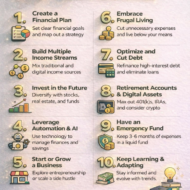
As we move into 2026, achieving financial independence has become more accessible thanks to technology, automation, and new income models. However, it still requires planning, discipline, and smart decision-making. Financial independence is the ability to cover your living expenses through investments, businesses, or passive income – without depending entirely on a paycheck. For many people, it represents freedom, flexibility, and long-term security. This guide explores 10 practical, modern ways to achieve financial independence, using real-world examples and strategies that work in today’s economy. What Is Financial Independence? Financial independence means having enough income from non-traditional sources — such as investments, businesses, or digital assets – to support your lifestyle indefinitely. It does not mean being ultra-wealthy. For some, it means covering basic expenses. For others, it means replacing full employment income or having the freedom to choose how and where they work. 1. Create a Clear Financial Independence Plan A financial independence plan defines: Your target monthly expenses Your savings and investment goals Your timeline and risk tolerance For example, someone earning $60,000 a year might set a goal to save 25% of income while gradually increasing investments over five years. The key is defining what “financial independence” actually means for you – whether it’s covering basic expenses, replacing full income, or achieving location-independent work. Using budgeting tools or financial planning apps ( YNAB, Quicken or simple goal-tracking tools) helps track progress and identify gaps. Many people begin by calculating their “financial independence number” – the amount needed to generate sustainable income. 2. Build Multiple Streams of Income One of the most effective ways to reach financial independence faster is by building multiple income streams. Even modest side income can accelerate financial independence. A $500 monthly side income invested consistently can grow significantly over time. Examples include: Freelancing or consulting Rental or real estate income Dividend-paying investments Digital products or subscriptions In 2026, many professionals earn income from portfolio careers, combining traditional work with online or scalable income sources. 3. Invest Consistently for Long-Term Wealth Investing remains a cornerstone of financial independence. Investing remains one of the most powerful tools for building long-term wealth. While trends change, the fundamentals stay the same: diversification, consistency, and time. Many people start with low-cost index funds that track the overall market. Others diversify into real estate investment trusts (REITs), global funds, or bond allocations for stability. A real-world example: investors who consistently contributed to broad index funds between 2010 and 2020 saw strong long-term growth despite short-term volatility. The lesson? Time in the market often matters more than timing the market. Popular options include: Index funds and ETFs Retirement accounts (401(k), IRA equivalents) REITs and diversified portfolios 4. Use Automation and AI to Manage Money Automated savings, investing, bill payments, and budgeting tools reduce friction and decision fatigue. AI-powered finance tools can track spending patterns, optimize savings, and even suggest portfolio rebalancing. For instance, automatically investing every payday ensures consistency without relying on motivation. Automation turns good intentions into habits. In 2026, AI-driven tools help with: Automated investing and savings Expense tracking and budgeting Portfolio optimization By automating financial decisions, you remove emotional barriers and maintain consistency – a major advantage over manual systems. 5. Start or Scale a Business Entrepreneurship is no longer limited to storefronts or large startups. Many people now build lean, digital-first businesses alongside traditional work. Digital-first businesses allow individuals to: Operate remotely Scale without large overhead Build recurring income Examples include: Online education or coaching Niche content websites E-commerce brands Subscription-based services Even small businesses can scale efficiently with automation and digital platforms. Many creators and solopreneurs today generate predictable income without large teams or overhead. 6....