Posted by Managementguru in Business Management, Principles of Management, Training & Development
on Mar 2nd, 2014 | 0 comments
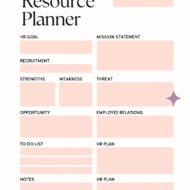
Manpower development today goes beyond simply filling positions – it’s about strategically planning, nurturing, and aligning human resources with the long‑term vision of the organization. It involves accurately determining both present and future workforce needs, while designing the right organizational structure to ensure the right mix of managers, specialists, and employees are in place to drive growth. Key Elements of Modern Manpower Planning 1. Present Workforce Analysis The first step in manpower planning is to assess the current workforce. HR teams collect data on employee demographics, qualifications, skills, training, and experience. Example: A tech company may analyze its developers’ coding skills, certifications, and project experience to identify gaps in AI or cloud expertise. Tools like HR analytics dashboards and talent management systems make this process faster and more accurate. 2. Manpower Inventory Chart A manpower inventory chart provides a clear picture of staffing levels and future talent pipelines. It helps HR leaders: Understand current staffing levels Identify employees ready for promotion Forecast internal talent supply Spot performance gaps for training Plan succession for retiring employees Resolve overdue promotions fairly Example: A retail chain may use this chart to plan for seasonal hiring, ensuring enough staff are available during holiday sales. 3. Job Evaluation and Job Analysis Job evaluation ranks roles within the organization, while job analysis defines the skills and responsibilities required. This ensures clarity and fairness in compensation and career progression. It highlights: Nature of work performed Methods and processes used Skills, education, and training required Interrelation of jobs across departments Work environment conditions Example: In a healthcare organization, job analysis ensures nurses, doctors, and administrative staff have clearly defined roles to avoid overlap and confusion. 4. Job Descriptions A modern job description is more than a list of duties—it’s a branding tool that attracts the right talent. It includes: Job title Core duties and responsibilities Authority and accountability Required qualifications and skills Example: A startup may highlight flexible work culture, innovation opportunities, and growth potential in its job descriptions to attract millennial and Gen Z talent. 5. Short‑Term and Long‑Term Goal Alignment Workforce planning must align with business goals. Short‑term goals may focus on immediate staffing needs for projects. Long‑term goals anticipate future skills required based on market trends and technology shifts. Example: An e‑commerce company may plan short‑term hiring for logistics staff during festive seasons, while long‑term planning focuses on AI engineers for predictive analytics. 6. Demand and Supply of Talent The demand for skilled talent is higher than ever. Organizations must balance internal talent supply with external recruitment. Inter‑departmental transfers may solve short‑term gaps. Long‑term solutions require strategic hiring, reskilling, and succession planning. Example: A manufacturing firm may reskill machine operators in automation technologies instead of hiring externally, ensuring loyalty and cost savings. Why Modern Manpower Planning Matters Ensures future‑ready workforce Builds employee engagement and retention Supports business scalability Aligns HR strategy with organizational...