Posted by Managementguru in Human Resource, Labor Management, Training & Development
on Mar 9th, 2014 | 0 comments
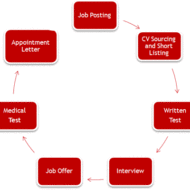
HR Selection Process and Techniques Following the process of recruitment is selection, where the management has to select the right employees at the right time. The intention is to choose appropriate candidates for the unfilled spots and to avoid commitments to those whom the management thinks will not work well. The best qualified individuals from the pool find their place whose qualifications match the job specifications. What is the Selection Process in Human Resource Management? Selection process depends upon the · Size of the company · Nature of the business · Kind and Number of persons to be employed · Government regulations to be followed etc. The process includes 1. Collection of data about the candidate’s qualification 2. Experience 3. Physical and mental ability 4. Nature and Behavior 5. Aptitude and the like Steps in Scientific Selection Process: A. Job Analysis: This is the basic step for finding the right candidate and each organization should lay down job analysis, job description and job specification with clarity in order to lure the right candidates for selection. B. Recruitment: Process of searching for prospective employees and stimulating them to apply for jobs in the organization. C. Application Form: This is also known as the application blank. This facilitates collecting detailed information from the prospective employees regarding their age, gender, family details, qualification, skills, experience, achievements etc. This is widely used to screen employees at the preliminary level. D. Written Examinations: are conducted to gauge the · Mathematical ability · Aptitude · Reasoning · Knowledge in various disciplines · General Knowledge and · English language abilities of the candidates. E. Preliminary Interview: This is suitable to eliminate the undesirable and unsuitable candidates and also to gather personal information from the candidates on a one to one basis. F. Group Discussion: Group discussions help the management to pick out bright candidates from among the group members and also the ability of each individual to adjust to the group. Each group is expected to analyze, interpret and find alternate solutions and select the best solution for a particular case study or subject matter. G. Tests: To further assess the skills of the employees the management conducts different kinds of tests. H. Final Interview: This is the most essential step in the process of selection. The interviewer matches the information obtained about the candidate through the application with that of his own observation and questioning. · Informal · Formal · Planned · Patterned · Non-Directive · Depth · Stress · Group and · Panel interviews are some of the types of interviews conducted in accordance with the job requirement. Also See: Interview Preparation Tips I. Medical Examination: Certain jobs require certain physical qualities like clear vision, perfect hearing, unusual stamina, tolerance of hard working conditions, clear tone etc. J. Reference Checks: The personnel department will engage in checking reference if the candidate passes all the tests and found suitable for the job. What kind of Companies the Employees are Attracted to – Here is an interesting infographic on “How to Attract the Perfect Employee”...

Posted by Managementguru in Business Management, Principles of Management, Training & Development
on Mar 2nd, 2014 | 0 comments
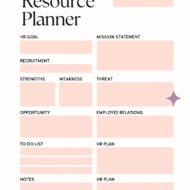
Manpower development today goes beyond simply filling positions – it’s about strategically planning, nurturing, and aligning human resources with the long‑term vision of the organization. It involves accurately determining both present and future workforce needs, while designing the right organizational structure to ensure the right mix of managers, specialists, and employees are in place to drive growth. Key Elements of Modern Manpower Planning 1. Present Workforce Analysis The first step in manpower planning is to assess the current workforce. HR teams collect data on employee demographics, qualifications, skills, training, and experience. Example: A tech company may analyze its developers’ coding skills, certifications, and project experience to identify gaps in AI or cloud expertise. Tools like HR analytics dashboards and talent management systems make this process faster and more accurate. 2. Manpower Inventory Chart A manpower inventory chart provides a clear picture of staffing levels and future talent pipelines. It helps HR leaders: Understand current staffing levels Identify employees ready for promotion Forecast internal talent supply Spot performance gaps for training Plan succession for retiring employees Resolve overdue promotions fairly Example: A retail chain may use this chart to plan for seasonal hiring, ensuring enough staff are available during holiday sales. 3. Job Evaluation and Job Analysis Job evaluation ranks roles within the organization, while job analysis defines the skills and responsibilities required. This ensures clarity and fairness in compensation and career progression. It highlights: Nature of work performed Methods and processes used Skills, education, and training required Interrelation of jobs across departments Work environment conditions Example: In a healthcare organization, job analysis ensures nurses, doctors, and administrative staff have clearly defined roles to avoid overlap and confusion. 4. Job Descriptions A modern job description is more than a list of duties—it’s a branding tool that attracts the right talent. It includes: Job title Core duties and responsibilities Authority and accountability Required qualifications and skills Example: A startup may highlight flexible work culture, innovation opportunities, and growth potential in its job descriptions to attract millennial and Gen Z talent. 5. Short‑Term and Long‑Term Goal Alignment Workforce planning must align with business goals. Short‑term goals may focus on immediate staffing needs for projects. Long‑term goals anticipate future skills required based on market trends and technology shifts. Example: An e‑commerce company may plan short‑term hiring for logistics staff during festive seasons, while long‑term planning focuses on AI engineers for predictive analytics. 6. Demand and Supply of Talent The demand for skilled talent is higher than ever. Organizations must balance internal talent supply with external recruitment. Inter‑departmental transfers may solve short‑term gaps. Long‑term solutions require strategic hiring, reskilling, and succession planning. Example: A manufacturing firm may reskill machine operators in automation technologies instead of hiring externally, ensuring loyalty and cost savings. Why Modern Manpower Planning Matters Ensures future‑ready workforce Builds employee engagement and retention Supports business scalability Aligns HR strategy with organizational...