Posted by Managementguru in Change management, How To, Human Resource, Organisational behaviour, Productivity, Training & Development
on Jul 9th, 2021 | 0 comments

Building A Strong Organizational Culture Made Easy Company culture can be defined as the personality of the company. It perfectly blends the company’s vision, workspace ethics, values, and employee behavior to emerge as a brand image. This image is the one you showcase to your customers and employees. Your company culture will make you stand out from the crowd and help your customers identify you as a unique entity. Now, let us take a look at a few companies that strongly imbibes a unique company culture. Google, consistently ranked the best company for exceptional organizational culture, is a great place to work with free food, nap pods, game stations, and slides. All this together makes the office nothing short of a playground for grown-ups. Apple is another company that follows a collaborative teamwork environment and allows its employees to be equal contributors to its vision. No wonder the IT giant retains its spot as the most desirable place to work! What Makes these Corporate Cultures so Appealing and Attractive? Studies reveal that employees who are content with their workplaces are the ones who are more productive. With worldwide data suggesting an increased employee turnover due to a highly stressful work culture, it’s high time organizations start giving more importance to it. An employee monitoring software will help you keep track of your team’s activities and keep an eye on their work interactions. A less compassionate work environment, lack of mutual respect between colleagues, and biased treatment indicate that you need to improve the company culture as soon as possible. Five Ways to Build Strong Company Culture A Strong Company Vision Your company imbibes your vision and personality. No matter how well your company grows, the culture you had envisioned drives you forward consistently. These core principles build a strong foundation for your company. As the company grows and resources add up, your company image tends to carry the traits of the employees and their understanding of the organizational structure. This makes it highly imperative to lay a deliberate foundation of the company culture that carries forth the founder’s vision and values. A Happy Working Space Allowing the employees to be their true selves and encouraging them to come up with innovative ideas to fulfill the company vision increases their engagement. You can even conduct surveys and team bonding exercises like fun activities or informal gatherings to lighten the atmosphere. Remember! A happy employee is a highly productive employee! An Empathetic Management Always acknowledge an employee’s efforts and ensure that they never feel left out. Use employee tracking software to track their work activities and reward the highly committed team members. Shower them with surprises like work anniversary wishes or birthday celebrations. Extend support to your colleagues if they require help and understand how sound they are physically and mentally. Right Retention Strategies A performance-based culture is the key to retaining the top talents in an organization. First, define your goals and objectives. Next, ensure that you maintain transparent performance data about your employees. This will help you retain the best talents by introducing retention programs or training to help them realize their importance in the growth and future of the company. A Team That Appreciates Talents A company culture with honest recognition and appreciation can establish a positive work environment. Also, it will prompt each employee to take pride in contributing to the company’s growth. Recognition plays a vital part in inspiring and motivating the employees. An employee-first culture is indeed the way forward. Ensure that your company culture imbibes this quality and makes the work environment fun and productive at the same...

Posted by Managementguru in Employee Safety, How To, Human Resource, Leadership, Organisational behaviour, Principles of Management
on Jun 29th, 2021 | 0 comments

As an entrepreneur, you have a variety of matters that you have to see to on a day-to-day basis. From managing your personnel to ensuring that your products and services meet the highest standards, it can often seem like employee satisfaction isn’t as high a priority. Neglecting the satisfaction of your workers, however, can be a grave mistake for any business owner. Ultimately, you want to do what you can to create the sort of professional environment that people want to be in. Taking the time and putting in the effort to improve your work environment for your team will help to improve employee retention rates and overall keep your workers happy. When your employees look forward to coming in to work every day, they are more likely to perform better and produce quality work for you. There are many aspects of your work environment that you might need to address in order to make the necessary improvements. Here are just a few to consider looking into so that you can create an overall better work environment for your employees. Start With Cleanliness The best place to start when you are looking to improve the quality of your work environment is with the cleanliness of the space. No matter how functional an office space may be, people are going to notice if it isn’t clean. A work environment that isn’t as clean as it should be can be off-putting and generally make your workers uncomfortable. The best way to address the cleanliness of your workplace is to have the space professionally cleaned thoroughly. Once that is done, you should look to hire a quality office cleaning Hobart service that can come and clean your offices on a routine basis. With a cleaner workspace, your employees will be much happier with their environment when they are on the job. Improve Functionality Once things are clean and tidy, you should address the functionality of the workspace that you are looking to improve. Again, depending on the sort of business that you run, your workers might have specific needs in regard to the functionality of the space they work in. Make sure that everyone has enough space and breathing room in order to do their jobs well. For instance, if your employees tend to handle or discuss confidential information with clients, you should ensure that they all have access to privacy so that they can do their jobs properly while protecting the customer’s information. Address Personnel Issues The physical improvements that you make to a workspace are only part of creating a better overall work environment. You also need to address any issues with personnel that might be going on with your team. One bad apple in the bunch is enough to drive your talented workers elsewhere. So if you sense that not all is well among your employees, do what you can to get to the bottom of things and make any changes that you see fit to...
Posted by Managementguru in Accounting, Business Management, Productivity, Project Management, Technology
on Jun 17th, 2021 | 0 comments
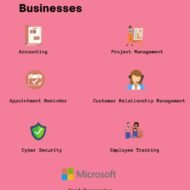
Software is essential in the daily running of a business. However, when you’re first starting out, it can be hard to know exactly what software to use. This guide will take a look at some of the essential types of software for businesses. Accounting Software Accounting used to be one of the most labor-intensive processes in the running of a small business. It could take up hours of valuable time every week – time that could be spent driving sales and developing new product ideas. Now though, accounting software makes the job considerably easier. It has become so much easier, in fact, that many small businesses have been able to keep accounting in-house, rather than outsourcing it. Project Management Software Project management software is one of the most useful tools that a business can employ. Tools like Asana and Trello allow businesses to keep all of their separate projects in one place and allow employees to keep track. This is a great way to stop projects from falling by the wayside and getting missed entirely. IT management services can help with the proper implementation of project management software, which will increase the efficiency of a business. Appointment Reminder Software There are few things less professional than missing an appointment. Whether you are going to meet a prospective client or pitch to investors, it’s essential to arrive on time. That’s where appointment reminder software comes in. You can align every employee’s calendar into one central calendar and automatically send out reminders. This will help your business run in a professional and timely manner. Customer Relationship Management Software Customer relationship management (CRM) software is used by businesses around the globe. It acts as a central location for all customer information, inquiries, and more. This means that sales reps can keep track of inquiries and orders in an efficient and productive way. It also allows marketing teams to access customer data and use it to make informed decisions. Cybersecurity Software Cybersecurity is one of the most pressing issues of the modern business world. In addition to physical security threats, business owners now have to consider their cybersecurity. That’s why it’s absolutely essential for them to have the latest cybersecurity software. This stops hackers from accessing customer information, bank details, and more. However, even the most advanced cybersecurity software can leave businesses open to attack. Word processing Although word processing software has been around for over 20 years, it’s still one of the most common types of software used by businesses. In fact, most businesses still use it on a daily basis. Microsoft Word has always been the most popular word processing software. However, it is now being challenged by online versions like Google Docs. Employee tracking software As an employer, it has always been difficult to keep track of all of your employees. However, now it has been made easier with time-tracking software. You can analyze their time spent on the computer, how many clicks per minute, and what websites were visited. This encourages employees to stay on task. However, it can also create an uncomfortable work...
Posted by Managementguru in Business Management, How To, Technology
on May 21st, 2021 | 0 comments

Online trading in the vast expanse of the digital world has been a life-saving endeavor for many companies in recent years, but it is not without its own unique set of security issues. Cyber-crime is still an incredibly prevalent factor, and many businesses regularly strive to take a proactive approach to online security. It is important to note that threats in the material world can still be as devastating as ever, so looking after your physical assets should be somewhere close to the top of the agenda. If you feel as though you could be doing more to nurture your security efforts, here are some tips you may find beneficial. Inventory Management It is unfortunate that inventory theft can sometimes be down to the employee, so taking steps to introduce a streamlined inventory management system may help reduce this risk. Moreover, it can help you to take control over your ordering, save money and make the most out of your current stock. There are many great pieces of software on offer to help you with this, partly in thanks to the rise of the internet of things. Opting for software integration can be a great way of keeping your digital assets safe and secure, an essential for many businesses that rely on a constant stock-flow to remain afloat. Moving the Highest Value Goods Some criminals will likely be indifferent to getting caught in the first place, so cameras, lights, and warning signs might do little to stop them in their tracks. This is why moving your highest value goods away from the site can ensure that a burglar cannot even begin to get their hands on the assets. Admittedly, this is not always possible, so an alternative might be to hide them out of view with a covering you can lock up, or even by bolting them to the ground. Alarms An efficient security alarm is a must for any business, but there are also a few other options to consider implementing into your business. An anti-loitering alarm, for example, can be a wonderful way of deterring any suspicious groups of violent teens from causing damage to your property over time. In addition, this can be a great proactive approach towards combatting larger issues that may arise due to consistent loiterers. If this sounds like it might be useful to you, it might be worth checking them out at mosquitoloiteringsolutions.com. Hire Security Staff If you can pay for a full-time security guard, it is certainly worth doing as this can double your security efforts in no time at all. They can monitor your security cameras, patrol the premises, defend against threats and generally put your mind at ease when it comes to the safety of your physical assets. Their very presence alone will often be enough to scare away any intruders who hope to harm your company, so for anyone who was on the fence about hiring security personnel, it might be time to go ahead with the hiring...
Posted by Managementguru in Business Management, Entrepreneurship, How To, Marketing, Project Management
on May 20th, 2021 | 0 comments
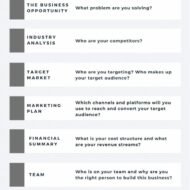
Running a business is hard work, but the rewards you get can fiscally make it all worthwhile. A business’s success is often down to the owners of the business and their abilities. For a business to truly be a success you, as the owner, need to take responsibility and you need to be confident of the direction your business is going in. A good business owner works on improving themselves alongside improving their business. This dedication and effort mixed will ensure your business is as successful as it can be. Identify And Target Your Key Audiences To make money within your business you must know who your key audiences are. What are they buying, at what cost and from who? Spending time doing your research beforehand will ensure that you can reach your audiences quickly and easily. If you do not identify and target your audiences then you will see that your business will lack focus and direction which is not good for any fledgling business. Make Your Premises Accessible Even if your business premises are only open some of the time to the public it still needs to be readily accessible. From good on-site parking to wheelchair access such as autoslide doors – an accessible, friendly and welcoming site is one that customers will want to visit. If you do not make your site or premises accessible to as many people as possible then you risk losing customers within your key audience and you risk isolating people, which will not do anything for your business’s reputation. Be Competitive And Be Fair Fair prices, open and honest communication all go hand in hand with good customer care, and excellent customer service. If you are not nice and not fair to your customers, then they will take their business and money to your competitors. Of course, on the flipside you must ensure that you stay competitive as you must be able to offer the same (if not better) prices and product ranges than your competitors, simply to ensure you reach and maintain your key audiences. Focus On Your Profit Margin And On Your Bottom Line If your business does not turn a profit, then it will never truly be a success. A profitable business that focuses on the bottom line as well as on their customers and key audience is a business that will be around for many years to come. If you want true success within business then you must be in it for the long haul, and you must be prepared to be versatile and readily adaptable. Keep Things As Fresh As Possible Stagnant and stale businesses will quickly fall behind. If you do not constantly work on improving what you offer and to whom, then you will notice that you will lose new and existing customers alike. To keep things fresh within your business it is important that you regularly monitor what you are doing and what you are offering. If you do not take time out to monitor your businesses activities, then how will you know what and when to push forward, and what to leave...