Currently Browsing: Labor Management
Posted by Managementguru in Business Management, How To, Organisational behaviour, Productivity, Project Management, Time Management
on Feb 6th, 2021 | 0 comments
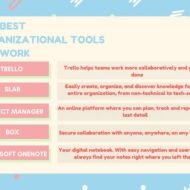
Organizing your workday can be very tricky. Whether you belong to a big or small enterprise, getting through the gamut of workday tasks will always have its challenges. With the popularity of remote work gaining a strong foothold in today’s “new normal,” managing your workload while making sure that everyone stays connected and on top of things has become twice as hard. It can be a bear trying to get everyone on the same page. Too many tasks, meetings and collaboration, new information coming in daily, new employees joining, old ones leaving, trying to preserve and update knowledge within the company — how do you not get lost in the chaos? Luckily, there are tools out there geared towards organizing your work and helping you run your workday more efficiently. There are hundreds of them floating around the interwebs and you can get lost in the chaotic list of organizational tools, ironically enough. So how do you choose the right one for you? Choosing the right tool First, you will need to take stock of what you have and what you need. What kind of service are you looking for? Are the tools you found equipped with the features you need in your organization? Compile a list of possible apps that might be useful for you. Second, once you’ve compiled a list of possible organizational tools that you might use, consider their ability to address all the things that you need them to do for you. If you can find just one tool to do all the organizational tasks you need to be done, then why get two or three separate tools to do what one platform can do? Third, read up on the reviews. You’ll need to hear what actual clients have to say about the tools you are considering. Feedback is a key component to an informed decision; and once you’ve picked the tool/s you need, return the favor and write an honest and constructive review. Fourth, test them out. You really won’t know if the tool will work the way you envisioned it if you don’t try it out. Go through your picklist and take the tools for a test drive. Put them through the tasks you need them to run and see how well they hold up or how fast and efficiently they can accomplish those tasks for you. So now that you have the initial steps in choosing the perfect organizational tool for you, let’s delve into our list of tools (our absolute top favorites!) that we think might just be what you need. The Best Organizational Tools for Work Trello Let’s start our list with Trello. This is a project management and organizational tool that uses task cards and project boards. This tool allows you to write down your daily tasks into virtual cards, assign due dates, and add attachments. You can invite your team and assign tasks to them, as well. Their project boards allow you to put your visualizations into an organized platform where you can monitor your project’s progress. You can collaborate with your team regardless of where each of you is based. It is very easy to use, and best of all, Trello syncs across all your devices. Slab As their headline says, Slab is a “knowledge base that democratizes knowledge.” It’s a nifty tool that lets you create, store, and organize your data. It also integrates well with your existing tools, so there would be no need to replace your stack and relay new instructions to team members. Its Unified Search feature allows you to pull any needed data from any of your existing tools. Sweet, right? This...

Posted by Managementguru in Business Management, How To, Marketing, Operations Management, Productivity, Project Management, Sales
on Feb 2nd, 2021 | 0 comments
One of the most important features of your business is your stock. Without any stock, you can’t fulfill any sales and therefore you won’t be able to make any money. That’s why it’s always good to keep on top of your company’s stock, to make sure you have enough to sell but not too much that you might end up throwing away. With this in mind, here are some ways in which you can achieve optimum stock levels in your business. Keep the room tidy One of the best ways in which to keep on top of your company’s stock is being able to make sure you can access any product you need at all times. To start with, you should install lots of shelving to make the most out of any space you have. Try and group your products into different categories; for example, if you sell clothes these could be grouped into different garment types such as tops, skirts, or shoes. Once you’ve organized your stock room, it’s important to keep it organized at all times. When you restock the shelves or add new lines of stock, it’s important that you keep to the same system. It’s also important that you keep this room clean and tidy, so there are no obstacles getting in the way of you and your stock. One of the major problems that could obstruct your ability to do this is all the cardboard and plastic packaging that all of your stock will be delivered in. Once these boxes are opened to gain access to your stock, it’s important that the packaging is disposed of in an equally organized manor. The best way to do this is with recycling baler machines, which not only reduce the size of the waste but compact it into one manageable bale. Without this, you could either end up with a large recycling bin in your stock room, or even worse—lots of unwanted cardboard left on the floor or the shelves. Try to predict trends When you’re trying to predict how much stock you’ll need in order to get through a certain sales period, it’s important to recognize any trends you’ve previously had throughout your years of selling. For example, if you’re a garden center you’ll probably sell lots of outdoor furniture in the summer months but less in the winter months. The opposite would be true for Christmas trees. Some trends will be a lot less obvious than these examples, so make sure you review all of the information to make sure you’re increasing your stock levels at the right times. That way, you’ll know you won’t run out of a particular product at the specific time that everyone wants to buy it. Check the real stock levels against the calculated ones It’s highly likely that you’ll keep track of your stock by updating a spreadsheet when you buy new products and when you sell them. Whilst this is an efficient way of keeping track of your stock, it might not always be entirely accurate. It’s important to regularly check your stock numbers manually and correct any incorrect data on the spreadsheet. Issues such as stock getting damaged or lost, or even a typo on the document could all result in incorrect calculations compared to your actual stock, which could lead to confusion when you go looking for stock that might not actually...
Posted by Managementguru in Entrepreneurship, Human Resource, Leadership, Organisational behaviour, Productivity, Project Management, Training & Development
on Sep 25th, 2020 | 0 comments
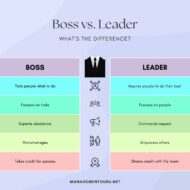
“Never waste a good opportunity to learn from a bad manager.” Employee turnover is maximum attributed to bad management by managers, and it is crucial for the managers to learn to be emotionally emphathetic. Figure it out as you go – a self-coaching workbook for teens What makes a great manager? Great managers exhibit the following traits: Connect people to purpose – They create a clear line of sight between the work of the individuals, the team and the larger company vision. Give feedback – They give timely and impactful feedback by emotionally investing themselves in the employee growth. Support career development- Follows a tailor made approach to suit the needs of each employee, guide and support them to grow into a better individual personally and professionally. Communicate effectively – Through open communication they inform, connect and engage team members. Try to first understand why your employees aren’t motivated They aren’t tied to the vision They don’t know how their work has an impact on the big picture They aren’t clear on expectations They aren’t getting consistent feedback They don’t feel like a part of the team Their passions/strengths don’t align with the work they do They don’t feel trusted They are not good fit for the company culture They feel burnt out What makes you a bad manager ? Don’t micromanage – Micromanagement takes away the enthusiasm and energy from employees by creating the impression that they are not be trusted, valuable or even in control of their own projects. Don’t be a bully – Don’t publicly humiliate or privately threaten your employees. Don’t be a saboteur – Don’t take credit for others’ ideas and blame others while jobs are not done well. Give a fair share of recognition and appreciation to employees. The cost of a bad manager – Employees with a negative impression on their managers leave the company at the rate of 56% more than the usual. Okay, now, here are some really useful tips to handle a toxic work environment for employees who suffer under the influence of a bad manager! How to Handle a Toxic Environment ? Plan an exit strategy even if it is not tomorrow. Make plans to get the ball rolling. Keep your space positive– be it your desk, wall, cabinet or locker. Create a list to help you stay focused – this will help you to create a plan so as to avoid negative situations as much as possible. Leave work at work – leave the negative energy at work. Try to create healthy habits and routines along with coping methods to replenish your energy Keep a log of things that are happening – you might not know when you might need them as evidence, such as emails, screen shots etc., Stay away from the drama– don’t get swallowed up in the toxic energy. Talk to a trusted friend or co-worker about what’s going on, but don’t ever get caught up in the...
Posted by Managementguru in Business Management, Employee Safety, Human Resource, Operations Management, Productivity, Project Management
on Sep 17th, 2020 | 0 comments

You’re probably not losing any sleep over facility management if your business fits into one small office. But, if you plan on growing your business, your small office will eventually grow into a whole building. This is where facility management comes in. The job of a facility manager is to ensure a well-organized environment in which you, your team, and your whole business can thrive. According to Transparency Market Research, the North American facilities management market will be worth about $340 billion by the end of 2024. So, facility management services are not something you should underestimate. Read on : Optimoroute has come out with a resourceful article on Route Optimization Software that sheds light on creating efficient transport plans using app or software to cut costs, save time, and utilize resources.Why Use Route Optimization Software? The Basics of Facility Management Facility management is a profession that focuses on utilizing a company’s buildings and equipment in a way that offers the best value. Facility maintenance is just one part of facility management. Strategic facility management ensures functionality, productivity, and safety in the built environment. Facility management is also key to ensuring that your company’s buildings and equipment comply with existing legal requirements. If you are wondering if or when you should hire a facility manager, here are some telltale signs: Your Maintenance Costs Are Escalating As your business grows, so will your maintenance costs. But, if these costs start running down your company, you have a problem. Some common money-wasters are likely to blame If you can’t figure out why your servicing and repair costs are increasing each month. These can include unused office space, wasteful stocking of spare parts and inventory, and under-utilisation or abuse of existing equipment. According to a 2013 report published by Wired, the U.S. had added about 2 billion sq. ft. of office space to its existing stock over the previous 30 years. Today’s mobile workforce doesn’t require so much space. The way you manage maintenance personnel and other staffing expenses also has an impact on your bottom line. The costs quickly pile up if you frequently have to call in heating engineers, electricians, plumbers, and other contractors. When you are operating in multiple locations, or have a very large facility, it’s hard to keep track of all maintenance tasks. Many business owners are in the habit of tracking everything manually. This can get messy really quickly. Moreover, if this is something you don’t have experience with, you can’t know whether the maintenance workers are carrying out their tasks properly. This is why facility managers rely on facility management software. Such tools allow them to make sure that every contractor and maintenance employee is doing the work they are being paid for. You Need to Expand Your Facilities to Accommodate Growth Let’s say that your business is expanding and you need additional storage space for your data. To handle the growing needs of your company, you need to build an effective data centre infrastructure. Naturally, this is a huge investment, and you don’t want to bite off more than you can chew. A facility manager can help make sure your new data centre can handle the evolution of your company. Using their experience, they can vet and hire a data centre construction firm. Their job would also be to manage the service contract you have with the firm, help ensure data centre security, and manage periodic upgrades. Even though your facility manager may not be an authority on the subject, they will know how to find and work with people who are. A good facility manager knows how to take care of quality control when engaging...
Posted by Managementguru in Business Management, Employee Safety, How To, Human Resource, Productivity, Stress Management
on Sep 17th, 2020 | 0 comments
When running a business, you might think the most important thing is the number at the bottom of the profit and loss sheet at the end of every financial year. Whilst it’s important to work on making that number as high as possible, it’s more important to protect those assets that help you earn money. Here are some top tips to protect the three most important assets of any company. People Your staff is the lifeblood of your company. They’re the ones who come up with new creative ideas and then help you implement them in the best way possible. The best employees care massively about the success of your company, so it’s important you also care about their own success. Make sure all your employees feel valued for their work. If they don’t, you could find them putting less effort into their day to day tasks or even find they want to leave the company. It’s important you also look after your employee’s health. Encourage healthy lifestyles by providing nutritious snacks, time for exercise and regular breaks throughout the day. Sickness can cost businesses thousands of dollars every year, so try and do everything you can to protect their welfare. IT A decade or two ago, some businesses may have been able to run without an IT system. These days, even if you run the most traditional of businesses, like a horseshoe fitter or even a cobbler, it’s almost impossible to run it without the help of IT. Your computer can help you complete so many tasks. It enables you to organize your team’s work schedule, your business’ finances and even helps you communicate with your customers. That’s why when your IT system is down, it could bring your whole business down with it. Your productivity could ground to a literal halt, wasting your colleagues’ time and valuable opportunities to make revenue. IT is so important that big companies employ a member of staff or even a whole team whose sole purpose is to keep their computer system up and to run. If you run a small business, you might think this is a luxury you could never afford. The reality is that even if you can’t afford to employ someone full-time, it could be extremely cost-effective to employ a support agency to look after your IT systems. For example, outsourceIT have a team of expert technicians who won’t only offer support when things go wrong, but also maintain your systems, back up data and even protect your company from hackers. For a small fee, they could be on hand whenever you need them. Brand As well as the people and the equipment, it’s important to protect your company’s brand. A bad story in the press, or even a negative post about you on social media, could lose your customers. Try and deal with any disputes as quickly and fairly as possible before they have time to go viral on the internet. As well as protecting your brand when things go wrong, there are lots of things you can do to enhance your image. For example, consider working with charities and community organizations to show you don’t just care about making a...