Posted by Managementguru in How To, Marketing, Social Media
on Jul 11th, 2016 | 0 comments

YouTube is no longer a mere source of entertainment; it has matured into a medium to promote businesses. The statistics from YouTube show that more than 1 billion unique visitors use the site every month and more than 6 billion hours of videos are watched each month. The number has increased by 50% in one year. And that’s not all; 100 hours of videos are uploaded every minute on YouTube. Start with asking yourself some basic questions 1. Why do I start? Am I passionate about this topic? Before uploading your first YouTube video, you need to understand why you’re creating a channel in the first place. Is it to make money with AdSense, or to perhaps create a future book deal? Is it aimed only at financial gains? Or is it a way to indulge a hobby of yours? Whatever the reason for starting a YouTube channel, make sure you understand your viewers’ expectations and what your “success” should look like. That will give you a goal to strive towards, and will further encourage and push you to reach that goal as a vlogger on YouTube. 2. Who will watch my videos? In order to make your YouTube channel a success, you need to know your viewers and subscribers. This means getting to know your “target audience” (or those who’ll be interested in watching your YouTube videos). It’s important to know what the interests of your potential viewers are. Once you are sure who your audience is, you can then create relevant and entertaining videos suited to satisfy their interests. And the more relevant that your videos are to your viewers, the more likely they’ll be interested in subscribing to your YouTube channel. 3. What type of content will I create? Be different. Be unique and original. Come up with a great idea and stick with it. YouTube views may pick up slowly, but targeting one particular niche, one sect of individuals, will go a whole lot further in the long run. It’s your channel. Make it something that identifies with you. It’s important to recognize that being really successful on YouTube isn’t easy. There will be setbacks. There will be failures. Those hoping to create a popular channel on YouTube need to be patient, persistent, and positive, and they need to keep their mind open to constant learning. 4. How to make my videos interesting? Open with a teaser: It is the first few seconds of the video, which can engage the viewers. Try to create a mystery and intrigue in the beginning of the videos. You can also introduce an interrupt, something that people do not expect in the video to engage them. 5. How to pick a unique name for my channel? The next order of business is to pick a channel name. Take some time with this. Your channel is going to stick around for awhile, so you want to pick a name that holds strong association to your brand and identity, something unique that people will remember you by. Once that’s done, it’s time to set up your profiles. In order to build your audience, you will need a social presence online. You most likely have this in the form of Facebook, Twitter, etc., but make sure you are active and that your username is available on all of them. Let people know you are out there and willing to take the time to build brand and trustworthiness. Videos and YouTube Play a Huge Role in Social Media Marketing Clearly, YouTube (and other visual channels like Instagram) is playing an increasingly important role in social media, especially if you are targeting consumers. And frankly, it should be an automatic part of...

Posted by Managementguru in How To, Marketing, Social Media, Strategy
on Jun 17th, 2016 | 0 comments

How to Use Social Media to Get More Visitors Social media marketing can seem like a scary task, especially for a busy professional. But, it’s an excellent way to build brand awareness, increase customer service and just interact with your client base. If you want to get the most from your social media, you need to create outstanding profiles that get noticed for all the right reasons. Here are some simple ways to boost up your business social media profiles and create an impressive representation of your brand. How to Increase Facebook Engagement for Small Businesses 1. Post Original Content There’s nothing wrong with a share here and there but you will make much more improvement when you post unique content to your social media accounts. You want people to come to your page/ stream and see things they have not already seen elsewhere. You want to give valuable content that makes them want to come back again and also to share with their friends. All you need to do is get creative. For instance, it wouldn’t take long to take a few FAQs and turn them into a quick (and highly useful) blog post. If you do share, make sure you attribute properly and do not infringe upon the rights of others. This includes all types of content- articles, quotes, photos and more. 2. Optimize Your Profile This is an excellent infographic created by The Social Media Hat – a complete guide to optimize your Linkedin profile for success. Marketers have a short time frame to impress audience. Photos do speak volumes on the social scale. Visual marketing creates a resonance that often will cut through the noise. Yet, it takes a brand or business persona to get through the social clutter. First and foremost, the ultimate goal of your social media efforts is to generate leads, and you can’t accomplish that if you’re not being found online. You can improve how your brand ranks by making sure your social profiles are optimized for maximum impact. This includes filling out all your contact information and using targeted keywords in as many places as possible. If you want your social media profile to stand out from the many others in the average social media user’s stream, then a professional photo might be just the way to do it. Using a professional photo of a person who leads the company is often better and more personable than using your company logo- but again, it depends on the business, the social networking platform and your branding. Images that resonate and compel your readers to take your call of action also help promote a sharing effect. Images can tell a brand story, share news and even link to a creative promotion or giveaways which will invite participation. The key is to target these images towards an audience that cares. How to make money blogging 3. Be in sync across social platforms This is a very resourceful infographic created by Epower.com for people looking to increase interaction, traffic, exposure or optimization. This effectiveness comparison guide might give you guidance. A value proposition is a promise, and it is important to be clear and consistent about that promise across platforms. The first thing one must do is understand and define the brand identity clearly on social media as well as within the organization. Who are you? The answer to this question gives a unique identity to the brand, creating awareness and shaping the way you respond or share information. Identify how customers will make their choice between you and your competition. Determine their decision-making process. Review all of the things they may consider. Think about how you...
Posted by Managementguru in How To, Marketing, Social Media
on Jun 4th, 2016 | 0 comments

These are some tips on how to increase Facebook engagement for your small business effortlessly and successfully. A guide to using social media for your small business by managementguru.net Optimal Number of Posts “People share, read and generally engage more with any type of content when it’s surfaced through friends and people they know and trust.” The optimal number of posts on a single day is between 3 to 5; get to know your audience and post content that will grab their attention. People Influence People Nothing influences people more than a recommendation from a trusted friend. A trusted referral influences people more than the best broadcast message. A trusted referral is the Holy Grail of advertising.” Cross-Promote your Facebook shout-outs with other social networks like Instagram and Twitter to extend your reach and impact. Use Facebook Like Email Newsletters “Facebook Fan Pages are email newsletters with smaller pictures. Use Facebook to boost new product announcements.” Your fans like your page because they want to know what’s cooking with your business. Be consistent and give your audience the needed information. Real Estate Marketing on Facebook “With everything Facebook offers for marketers, it’s easy to lose sight that it’s also a tool that can support your brand’s PR or publicity efforts. The reality is that journalists rely on Facebook to source stories, and Facebook actively promotes the platform as a “Rolodex” with 1 billion contacts for reporters.” Using Humor in Facebook Using humor in Facebook is a great way to get interaction. People are usually on Facebook to be social, and if you’re able to entertain and inform in your posts, you will get more shares, likes and comments. “By understanding your audience, you can optimise your content strategy, target your advertising better, and generate more return on investment.” Users don’t like long and boring posts. Huge percent will not even consider reading such long posts. Make your publications concise, clear and accurate. “In order to land a spot on a user’s Facebook news feed, try shifting your scheduling strategy from posting during the most popular times in the workweek to the most effective times.” Behind the Scenes Photos that show what happens behind the scenes are a good way to enhance brand credibility. This might seem counter-intuitive at first. And – it takes a bit of trial and error to work out what the most effective time is going to be for you. But it makes total sense. An average user’s newsfeed is going to be packed with updates, and you’re up against them all in order to get their attention. Posting during the most popular times – read – the busiest times – mean that the competition is even tougher. But switching to quieter periods means that you’re more likely to actually increase the amount of interaction you...
Posted by Managementguru in How to Blog, How to make money online, Marketing, Social Media
on May 22nd, 2016 | 0 comments

You can successfully monetize your blog by choosing a niche, creating valuable content, and utilizing various monetization strategies such as affiliate marketing, ads, and sponsored posts. 1. Pay Per Click What is PPC? PPC stands for pay–per–click, a model of internet marketing in which advertisers pay a fee each time one of their ads is clicked. Essentially, it’s a way of buying visits to your site, rather than attempting to “earn” those visits organically. Search engine advertising is one of the most popular forms of PPC. The basic idea of pay per click (PPC) is putting banners or text ads somewhere in your blog, and when a visitor clicks on these ads, you get a commission. That commission is based from the price of keywords that the advertisers are bidding for. For better understanding, let’s take Google AdSense for example. Google is allowing independent publishers (bloggers like you) to apply their website for Google AdSense so they could have a chance to create a source of income out of their blog. Once approved, you’ll be given access to their dashboard where you can generate codes you can embed in your website to display ads, and when your visitors click on that ad, you earn commissions. Surely, there are other alternative ppc ad network manager out there like Chitika, Infolinks, VigLink etc. However, in my opinion, Google AdSense so far is the best pay per click ads manager that you can apply with since some bloggers here and there are saying that it is the best existing ad network out there to monetize any website (as long as they comply with Google AdSense Program Policy or adhere to Webmaster Quality Guidelines). Airtasker is a trusted community platform that connects individuals who need to re-appropriate tasks and find local services, with individuals who are hoping to earn cash and are prepared to work. From simple to complicated tasks, Airtasker can assist you with finishing your home cleaning, handyman jobs, admin work, photography, graphic design or even form a site. 2. Private Advertising What is private advertising? Private advertising is allowing independent companies or other bloggers to buy an ad space on your website. The price is fixed, completely negotiable and payment is usually per month. However, before engaging your website to this type of advertisement, make sure that your blog receives a decent amount of traffic. Those traffic should also be your genuine followers. When I say genuine followers, those who might have followed you and your blog posts from time to time, those in your list, and the visitors you receive from organic traffic. 3. Solo Ads What is a solo ad? A solo ad is a one time email blast you buy from a vendor that has created a “list” of people they have collected. Put simply, some internet marketers will accept payment in exchange for sending an email you have written to their mailing list. Just in case you’re not familiar with this advertising method, a solo ad is a one time email blast you sell to a buyer who wants to advertise to your subscribers or to your email list. I call it – ‘the backdoor selling’. Solo ads technique is usually employed by marketers. Fortunately, it’s not entirely exclusive for B2B(business to business) blogs. For example, if your blog is about “dog training” and you’ve built an impressive email list of dog lovers, you surely are eligible to try this approach. You may sell solo ads to vendors who sell stuffs about dog training. Probably eBooks, video course, or whatever products they sell related to dog training, you may consider using solo ads technique. 4. Affiliate Marketing What is affiliate marketing? Affiliate marketing is the process of earning a...
Posted by Managementguru in Business Management, Decision Making, Human Resource, Leadership, Organisational behaviour, Training & Development
on May 18th, 2016 | 0 comments
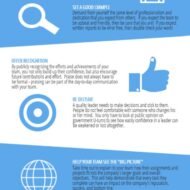
Managing people require a completely different skill set than managing tasks. The transition from being an individual contributor to someone responsible for the work of others and team performance results in a steep learning curve. Learn how to motivate, delegate, communicate and lead. Play to your strengths and improve on key weakness areas. With an emphasis on building high achieving teams, dealing with an increased workload and developing the influence, assertiveness and confidence necessary to be an effective manager or supervisor – this course will ensure you hit the ground running.